Meet Our Team
A diverse group of researchers, innovators, and educators dedicated to advancing the future of digital realities through collaborative research and groundbreaking projects.
Core Team
Our interdisciplinary team brings together expertise in immersive technologies, interactive media, education, and human-computer interaction.

Anna Queiroz
Director
Associate Professor of Interactive Media
Dr. Anna Queiroz is an Associate Professor in the Interactive Media Department, and a member of the Frost Institute of Data Science and Computing at the University of Miami. She leads innovative Virtual Reality initiatives in communication, education, and climate change in public settings across the United States, Latin America, and Europe. Her research focuses on emerging media's cognitive, social, and psychological impacts on human behavior, charting new frontiers in education and communication.
She leads one of the largest VR research projects in education, introducing VR to approximately 33,000 middle and high school students from low-income communities. This project has earned media recognition and an award from the King Center on Global Development at Stanford University.
Her research interests focus on lab and field studies, which combine traditional research methods with artificial intelligence to understand human behavior in media environments.
Dr. Queiroz's work informs researchers, governments, and the industry on using emerging media in education and climate change awareness and adaptation. She holds a Ph.D. and M.Sc. in Cognitive Psychology and degrees in business, behavioral medicine, and education. She completed her postdoc in a double appointment at the Graduate School of Education and the School of Communication at Stanford University.
Research Interests
Selected Publications

Kim Grinfeder
Co-Director
Chair, Department of Interactive Media
Kim Grinfeder is an accomplished artist, designer, and creator who uses emergent technologies to address social and environmental issues. As the founding Chair and Professor at the Department of Interactive Media at the University of Miami, he has made significant contributions to the field of interactive narratives and immersive media. He leads the Institute of Data Science and Computing's creative computing efforts and runs UMVerse, where he is developing a coordinated strategy to expand leadership in spatial computing. Since its implementation, UMVerse has sparked over 50 research projects across disciplines, transforming the use of immersive media across campus in the field and classroom.
Kim's research focuses on creating narratives with social impact using immersive media tools and exploring the limits of these technologies. His highly interdisciplinary work has resulted in numerous collaborations across diverse fields, such as medicine, architecture, cinema, journalism, and more. His creative work has been recognized globally, including at festivals and competitions such as the Webby's, the Atlanta Film Festival, and the National Press Photographers Association. His work has also been exhibited at prestigious venues such as the Smithsonian Museum of American History.
Kim is a frequent presenter at conferences where he shares his insights on the potential of immersive media for industry and narrative. His multidisciplinary collaborations have resulted in several papers in top-tier journals and conferences, including the Journal of Cancer Education, the International Communication Association, and the International Society for Occupational Ergonomics and Safety. He has received two top paper awards for his contributions to these fields.
In 2022, Kim was awarded the Provost's Transdisciplinary Innovation Teaching Award for his exceptional course titled "Religion and Sacred Spaces in the Era of VR and Artificial Intelligence." Born in Seoul, Korea, in 1972, Kim has lived in Brazil, France, and the United States, enriching his understanding of different cultures and perspectives. He currently lives in Miami with his wife, two daughters, cat, dog and goldfish.
Research Interests

Tom Merrick
Director of Partnerships
Tom Merrick is a seasoned educator and technology enthusiast. He holds a BS in Information Engineering from Cornell and an MA in Independent School Leadership from Columbia. With 15 years of experience in education, including roles as a Math Director and School Administrator, Tom brings a unique perspective on technology's role in learning.
Tom's journey led him to accept a fellowship at Stanford University's Distinguished Career Institute (DCI), where he discovered the potential of Virtual Reality to revolutionize education. He taught VR courses at Stanford's Virtual Human Interaction Lab and continued as an educator with Stanford Continuing Education. Now, at the University of Miami, Tom is passionate about teaching Virtual Reality while exploring innovative ways to support faculty and students in harnessing immersive technologies for transformative learning experiences. His expertise and vision are integral to our mission of reshaping education through XR.
Focus Areas

Chen "Crystal" Chen
Assistant Professor of Strategic Communication
Department of Strategic Communication
Dr. Chen "Crystal" Chen graduated from the Institute of Communications Research at the University of Illinois at Urbana-Champaign and joined the Department of Strategic Communication at the University of Miami School of Communication in fall 2023. Her research focuses on individuals' attention, motivation, and decision-making in immersive experiences such as AR/VR, games, and narratives.
To investigate this, she employs both behavioral research methods and formal modeling techniques. Her aim is to refine and modernize the theoretical constructs related to immersive experiences in order to provide a clearer understanding of their role in modulating media selection and effects. Through her work, she hopes to assist users and advertisers in developing appropriate media skills and making informed decisions when engaging with complex and immersive media experiences.
Research Interests
Featured Projects

Ching-Hua Chuan
Assistant Professor of Interactive Media
Department of Interactive Media
Dr. Ching-Hua Chuan is an Assistant Professor of Interactive Media at the University of Miami. She received her Ph.D. in computer science from the University of Southern California (Los Angeles, CA, USA) Viterbi School of Engineering, and her B.S. and M.S. degrees in electrical engineering from the National Taiwan University.
Dr. Chuan's research interests include artificial intelligence, human-centered computing, computational communication, and music information retrieval. She has published refereed articles in journals and conferences on human-machine communication, human-centered AI, AI's societal impact, augmented/mixed reality, and machine learning applications.
She was the recipient of the Arthur Page Legacy Scholar in 2022 for her teamwork on developing a theory-based mobile app for cultivating sustainable environmental-friendly behaviors. She also received the best paper award from the Journal of Current Issues and Research in Advertising in 2022, and the best new investigator paper award at the Grace Hopper Celebration of Women in Computing in 2010. She is also the founder of Women in Music Information Retrieval (WiMIR) started in 2011.
Research Interests

Meshak "Shak" Cole
Researcher and Immersive Media Designer
Master's Student, Interactive Media
Meshak "Shak" Cole is a researcher and immersive media designer at the University of Miami's School of Communication, pursuing a Master's in Interactive Media. His research explores how AR/VR and AI systems can enhance self-efficacy and health behavior through adaptive feedback and value-centered design.
Drawing on social-cognitive, self-determination, and flow theories, he develops mixed-reality fitness and mental health interventions that integrate affective computing and real-time biometric feedback. His broader goal is to advance human–AI interaction frameworks that foster intrinsic motivation, resilience, and purpose by linking value-based reflection with data-driven behavioral modeling.
Research Interests

Xiaoqian Dong
Researcher
Ph.D. Student, School of Communication
Xiaoqian Dong, a first-year Ph.D. student in the School of Communication at the University of Miami, is a design researcher specializing in immersive media, UI/UX design, visual communication, and visual data analysis. She earned her master's degree in Multimedia, Photography, and Design from Syracuse University, with a focus on design.
Xiaoqian has several years of professional experience in journalism, particularly in visual media. These experiences have provided her with strong skills in interviewing diverse groups of people and managing various forms of visual information, including images, videos, and websites.
Research Interests

Marie Ping Ping Mosegaard Holm
Designer and Researcher in XR, Haptics, and Multisensory Interaction
Visiting Research Scholar
Marie is a textile designer and researcher educated in Denmark at the Danish design university, Kolding School of Design. Her work explores the relationship between haptic perception, embodied interaction, and digital materiality within XR environments. She investigates how tactile and multisensory engagement, including the use of wearable vibrotactile haptic devices such as gloves, can enhance learning, empathy, and cognitive development across educational and healthcare contexts.
Marie is currently a visiting research scholar at the Department of Interactive Media at University of Miami, while pursuing her MA thesis in Design for People in Denmark. She leads a research branch within the Lexi Learn project, a broader collaboration led by Dr Anna Queiroz, head of FurLAB, which explores interdisciplinary approaches combining design, haptic gloves, immersive environments, and adaptive generative AI to support early-stage literacy learning through embodied engagement.
Marie aims to advance the understanding of haptics as a medium of connection, communication, and learning, positioning touch as a central component of future immersive experiences. Through a phenomenological and human-centred approach, she examines how sensory design can bridge physical and virtual experiences to foster more inclusive and meaningful technologies.
Research Interests
Featured Projects

Justin Jacobson
Researcher
Justin Jacobson's research focuses on the use of digital interventions to support and enhance family dynamics. He is particularly interested in the potential of technology to foster meaningful relationships and promote emotional well-being within families. His current work centers on the application of digital games and interactive play experiences to strengthen parent-child relationships and improve attachment outcomes. By integrating insights from developmental psychology, attachment theory, and play therapy into digital formats, his goal is to create accessible tools that promote bonding, communication, and emotional attunement between caregivers and children
One of his key projects involves developing and evaluating a relationship-enhancement game designed as a mobile app for parents and children to play together. This tool incorporates core principles of play therapy—such as structured interaction, playful engagement, and nurturing touch—within a gamified experience that encourages joint engagement and attachment building. Designed to be both fun and therapeutic, the app provides prompts and activities that guide families through moments of connection, reflection, and shared joy. Beyond serving as a bonding tool, the project also offers a replicable model for how digital play can be leveraged to support healthy attachment in everyday family life.
Research Interests
Featured Projects
Rafa Maximo
Researcher
Ph.D. Student, School of Communication
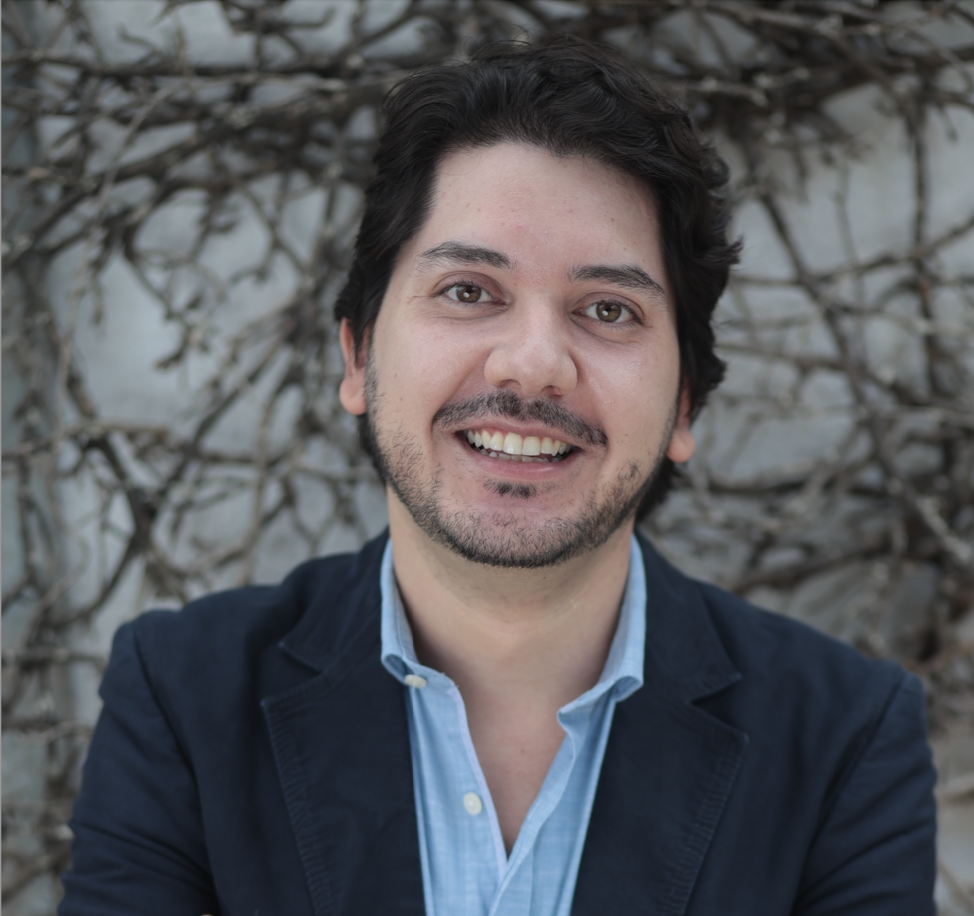
Rafa Maximo is a PhD student in the School of Communication at the University of Miami, working with Dr. Anna Queiroz at the Future Realities Research Lab in the Department of Interactive Media. He holds a Master's degree in Visual and Media Anthropology from Media University of Applied Sciences in Germany, and has completed specializations in Virtual Reality from the University of London and Extended Reality from the University of Michigan.
Rafa spent six years at Meta, where he led global learning and education initiatives reaching millions of people worldwide. His professional experience gives him a firsthand perspective on the adoption and application of emerging technologies, including the Meta Quest and Meta smart glasses ecosystems.
His research interests include artificial intelligence, human-AI interaction, digital platforms, immersive technologies, technology and platform adoption, and digital behavior. In particular, he is interested in how people experience and adopt new technologies, how they shape the way we communicate and behave, and how they can be used to create value for people, organizations, and society.
Research Interests
Kai Pettini
XR Developer
Senior Undergraduate Student, Computer Science & Business Technology
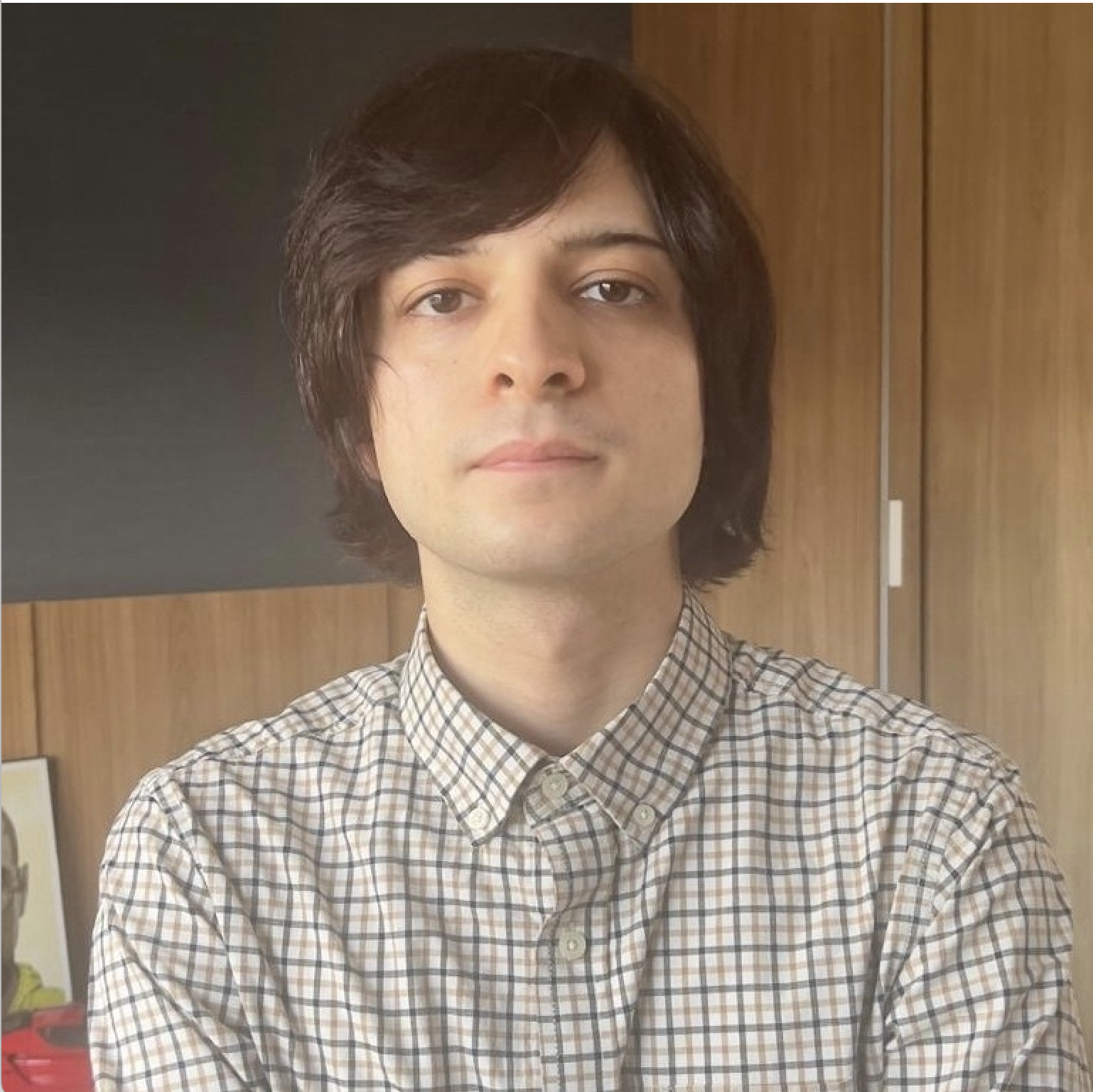
Kai Pettini is a senior undergraduate student currently double majoring in Computer Science and Business Technology. During his academic life, Kai was able to engineer numerous projects in various programming languages. Kai's focus in the development world includes Virtual and Mixed Reality, with two award nominations. His interests lie in exploring how the technologies he works with can enhance learning outcomes and human connection within virtual and augmented reality environments.
Through his work, Kai aims to bridge technical development with human-centered research, contributing to our understanding of how VR/MR technology can foster more meaningful and inclusive immersive experiences. His ultimate goal is to advance the design of adaptive and multisensory systems, learning, and discovery in virtual environments.
Research Interests

Gabriel K. G. Shimanuki
Researcher
M.Sc. Student, Electrical Engineering, University of São Paulo
Gabriel K. G. Shimanuki received the B.Sc. degree with honors in Computer Engineering from the University of São Paulo (USP), Brazil, in 2023, where he is currently pursuing the M.Sc. degree in Electrical Engineering. Since 2020, he has been a member of the Safety Analysis Group at Poli-USP, focusing on autonomous vehicle safety, fault injection, and optimization for embedded systems.
He also holds R&D consulting experience, developing machine learning and automation projects for industry partners. His research has led to several peer-reviewed publications, award-winning projects, and the development of simulation-based safety assessment frameworks, and has been supported by multiple research fellowships from government agencies and industry.
Research Interests
Selected Publications
Lucas Yeykelis
AI Developer
Sophomore, AI & Data Science and Mathematics
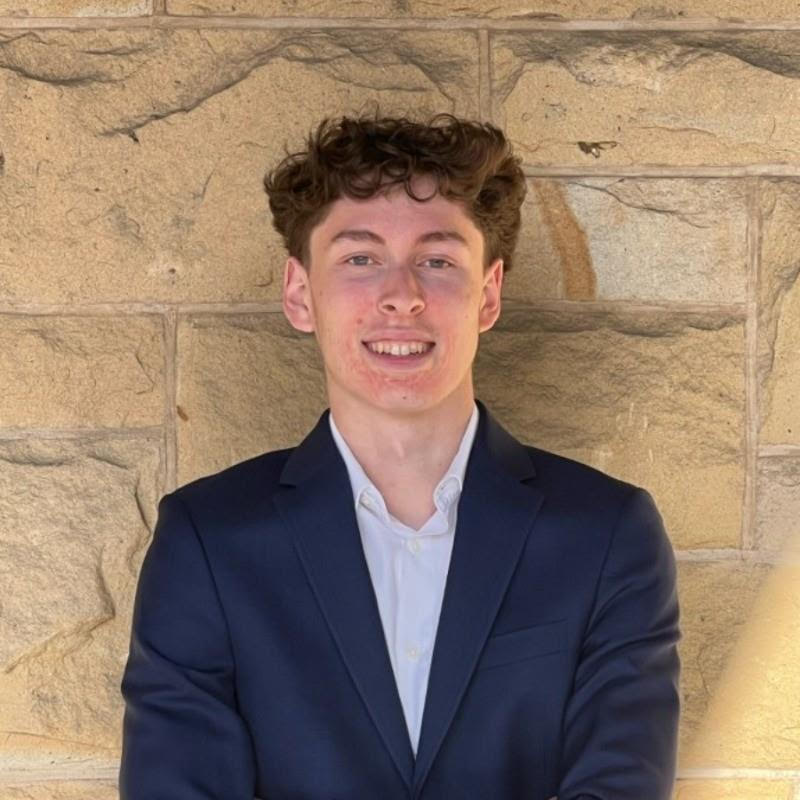
Lucas Yeykelis is a sophomore undergraduate student at the University of Miami studying Artificial Intelligence & Data Science and Mathematics. He joined the Virtual Experiences Simulation Lab (VESL) as the first dedicated AI developer across all lab projects. He currently leads the development of LexiLearn, an AI-enhanced VR application for K-12 literacy education advised by Dr. Anna Queiroz.
Lucas' research interests include diffusion models and their applications to autonomous systems, generating realistic simulation data and world models for robotics and self-driving vehicles, and potential new ways of performing reasoning via experimenting with model architectures that can be applied to systems that must interpret and navigate complex environments. In relation to XR, he is excited about the potential of lightweight glasses and its pairing with AI systems to provide educational feedback.
He also serves as an AI Researcher in the Intelligent Computer Systems Research Institute (ICSRI) Fellows Program as one of six undergraduates selected university-wide, where he collaborates on research advised by Dr. Maikel Leon analyzing cognitive trade-offs, human reasoning alignment, and architecture differences and improvements between current reasoning and general-purpose language models. Additionally, he assists in related computational and research projects with the Miami Project to Cure Paralysis, Miami Law & AI Lab, and Department of Electrical and Computer Engineering.
Research Interests
Featured Projects
Minci Zhang
Postdoctoral Associate
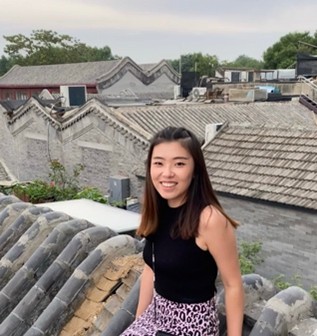
Dr. Minci Zhang received her Ph.D. in Developmental Psychology from the University of Southern California and is currently a postdoctoral associate working with Dr. Anna Queiroz. Her research focuses on the intersection of media influence and peer relationships in shaping youth developmental outcomes across various cultural contexts. She specializes in longitudinal, social network, meta-analytic, and person-centered methods to investigate the social processes underlying students' academic functioning and health behaviors.
She is particularly interested in how immersive experiences can foster positive social contexts for student learning, including peer group academic norms and classroom environments. Through this work, she hopes to bridge the gap between research and educational practice by leveraging emerging technologies to enhance students' academic motivation and attitudes.
Research Interests
Advisory Committee
World-renowned experts guiding our research vision and connecting our work to broader academic and industry communities.

Jeremy Bailenson
Founding Director
Virtual Human Interaction Lab, Stanford University
Jeremy Bailenson is founding director of Stanford University's Virtual Human Interaction Lab, Thomas More Storke Professor in the Department of Communication, Professor (by courtesy) of Education, Professor (by courtesy) Program in Symbolic Systems, a Senior Fellow at the Woods Institute for the Environment, and a Faculty Leader at Stanford's Center for Longevity. He earned a B.A. cum laude from the University of Michigan in 1994 and a Ph.D. in cognitive psychology from Northwestern University in 1999. He spent four years at the University of California, Santa Barbara as a Post-Doctoral Fellow and then an Assistant Research Professor.
Bailenson studies the psychology of Virtual and Augmented Reality, in particular how virtual experiences lead to changes in perceptions of self and others. His lab builds and studies systems that allow people to meet in virtual space, and explores the changes in the nature of social interaction. His most recent research focuses on how virtual experiences can transform education, environmental conservation, empathy, and health. He is the recipient of the Dean's Award for Distinguished Teaching at Stanford.

Chris Dede
Senior Research Fellow
Harvard Graduate School of Education
Prior to becoming a Senior Research Fellow, for 22 years Chris Dede was the Timothy E. Wirth Professor in Learning Technologies. His fundamental interest is developing new types of educational systems to meet the opportunities and challenges of the 21st century. His research spans emerging technologies for learning, infusing technology into large-scale educational improvement initiatives, developing policies that support educational transformation, and providing leadership in educational innovation. Currently, Dede is a co-principal investigator of the NSF-funded National Artificial Intelligence Institute in Adult Learning and Online Education. He co-founded the Silver Lining for Learning initiative and developed a widely used Framework for scaling up educational innovations. From 2001 to 2004, he served as chair of the Learning & Teaching program at HGSE. Dede is an advisor to the digital puppeteering company Mursion, Inc., in which he has an equity stake.
Alex Nascimento
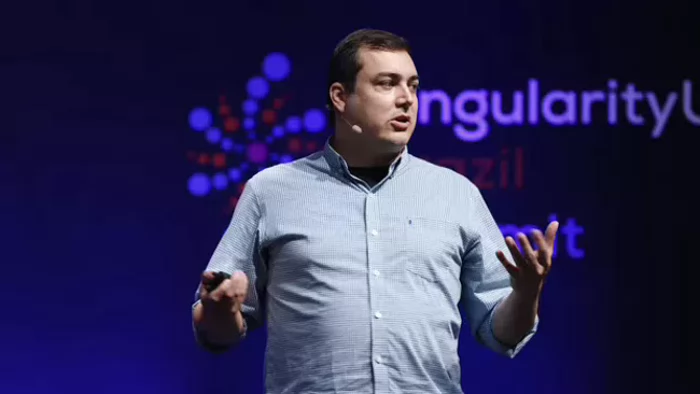
Singularity University Global Expert
Stanford University & MIT Affiliations
Alex Nascimento, Ph.D. is a visionary serial entrepreneur and Singularity University Global Expert with over 20 years of experience in developing innovative products and technology platforms. He was the director of Samsung SmartThings in Silicon Valley and has an eclectic academic background in business, artificial intelligence, engineering, and human behavior. Alex has affiliations with renowned institutions like Stanford University and MIT, and has developed innovations and obtained patents in various sectors. He is known for his methodology for accelerated AI adoption and a systematic innovation program. With international recognition, he is a columnist and author of scientific articles and books.
Alex Nascimento is a visionary with a diverse academic background, holding multiple degrees in business, engineering, computer science, artificial intelligence, and human behavior. He is recognized as an expert with over 20 years of experience in developing innovative products and technological platforms. Alex has been a consultant for over a hundred companies in various sectors, including retail, oil & gas, healthcare, financial services, consumer goods, automotive, telecom, pension funds, and mining.
Beyond his consulting work, Alex actively contributes as a trusted advisor for startups and serves as a mentor for organizations undergoing transformative journeys. As a Singularity University Global Expert, he has pioneered and executed numerous innovative programs in Latin America, focused on AI leadership, business operations, and acceleration.

Carolina Cruz-Neira
National Academy of Engineering Member
University of Central Florida
Dr. Carolina Cruz-Neira, a University of Central Florida faculty and a member of the National Academy of Engineering, is a pioneer in the areas of virtual reality (VR), interactive visualization, and digital twins. Her innovations have been instrumental in facilitating data analysis, decision-making, design reviews, and training and education. Her work evolved into standard tools used in industry, government, and academia.
She is known worldwide for being the creator of the CAVE VR system, for transferring research into practice by spearheading Open-Source initiatives, and for supporting entrepreneurial initiatives to commercialize research. She is recognized for founding successful applied research centers: the Virtual Reality Applications Center at Iowa State University, the Louisiana Immersive Technologies Enterprise, and the Emerging Analytics Center at the University of Arkansas. Her research leadership has received recognition from major companies for increasing product safety and improving design and production processes that have saved time, lives, and millions of dollars.